
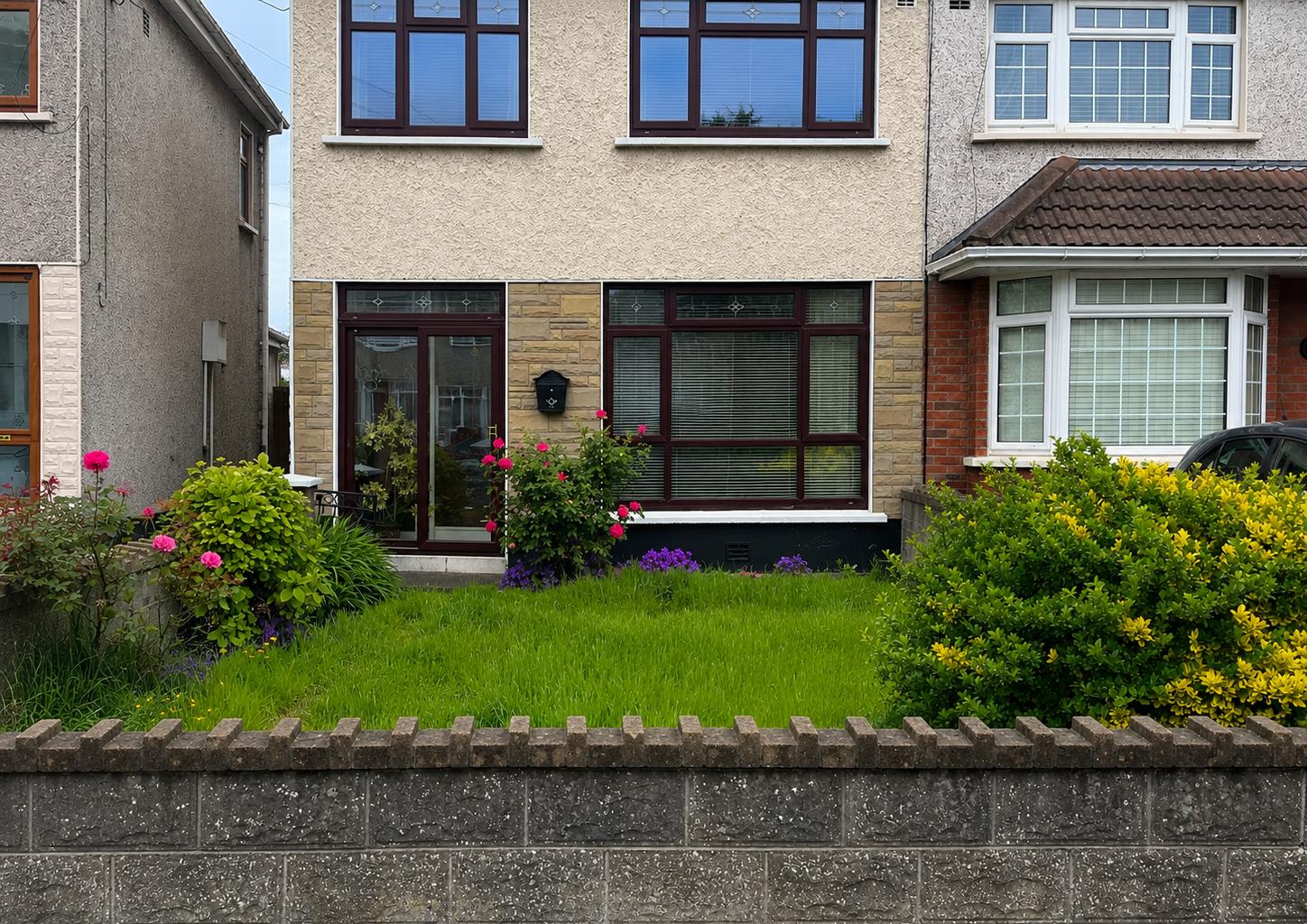
A good hedge is the hardest-working feature in a Dublin garden. It gives you privacy from the neighbours and the street, softens noise, shelters the garden from wind, marks your boundary, and gives birds somewhere to nest. And when it's neatly shaped, it makes the whole property look cared for - estate agents will tell you a tidy front hedge does more for kerb appeal than almost anything else.
But hedges are also the first thing to get out of hand. In Dublin's mild, wet climate, a hedge can put on serious growth in a single summer, and once it's grown out, it gets harder to fix - cut too deep into old wood and many species won't grow back. That's why hedge trimming in Dublin is one of the most requested jobs we do at Primegardener.ie, and why doing it right (and at the right time of year) matters so much.
This guide covers everything a Dublin homeowner needs to know: the best hedging plants for our climate, when and how often to trim, the mistakes that quietly kill hedges, how to trim safely yourself, and when it's genuinely time to call a professional.
The Best Hedging Plants for Dublin's Climate
Dublin's mild winters, regular rain and (often) heavy clay soil suit a wide range of hedges. If you're planting new hedging plants in Dublin or replacing a tired boundary, these are the reliable performers:
Evergreen hedging (year-round privacy)
- Laurel (cherry laurel): Fast-growing, glossy, and dense - the most popular privacy hedge in Dublin. Needs one to two trims a year to stay in shape.
- Griselinia: Bright apple-green, salt-tolerant (great for coastal areas like Clontarf or Dun Laoghaire), and forgiving to cut.
- Portuguese laurel: Slower and more elegant than cherry laurel, with darker leaves - a good choice where you want polish rather than speed.
- Yew: The classic formal hedge. Slow-growing but extremely long-lived, and one of the few conifers that regrows from old wood.
Deciduous hedging (seasonal character)
- Beech: Technically deciduous, but holds its coppery dead leaves through winter, so you keep screening year-round. Handles clay soil well.
- Hornbeam: Similar look to beech but happier in wetter, heavier soils - often the better pick for damp Dublin gardens.
- Hawthorn: A brilliant eco-friendly choice for boundaries - native, thorny (good security), with blossom for pollinators and berries for birds.
A note on fast vs slow growers: fast-growing hedges like laurel or leylandii give quick privacy but commit you to more frequent maintenance forever. Slower species like yew or Portuguese laurel cost more patience upfront but far less trimming long-term. When we plant evergreen hedging in Dublin gardens, we always ask how much ongoing maintenance the client actually wants before recommending a species.
When and How Often Should Hedges Be Trimmed in Dublin?
Most established Dublin hedges need one to three trims a year, depending on species:
- Formal evergreen hedges (laurel, griselinia, privet): two to three light trims between late spring and early autumn keep crisp lines.
- Beech and hornbeam: one main cut in August holds the shape (and the winter leaves) through to spring.
- Conifer hedges (leylandii, thuja): two to three light trims in the growing season - and never into brown, leafless wood, because most conifers won't regrow from it.
Bird nesting season - the important bit
Under the Irish Wildlife Acts, cutting hedgerows in the countryside is restricted from 1 March to 31 August to protect nesting birds. Garden hedges are treated differently, but the principle absolutely still applies: always check for active nests before trimming between March and August, and if you find one, leave that section until the chicks have fledged. It's the law regarding active nests, and it's basic decency to the wildlife that makes a garden feel alive. At Primegardener.ie we inspect every hedge for nests before starting a cut in season - it takes five minutes and it matters.
Common Hedge Trimming Mistakes (That Quietly Ruin Hedges)
- Cutting too hard into old wood. Most conifers and many evergreens can't regrow from bare brown wood. One over-enthusiastic cut can leave permanent holes.
- Trimming at the wrong time. A hard cut just before winter or during a summer drought stresses the plant; cutting during nesting season without checking harms wildlife.
- Cutting the sides vertical (or worse, wider at the top). A hedge should be slightly narrower at the top than the base - called a "batter" - so light reaches the lower leaves. Top-heavy hedges go bare and leggy at the bottom.
- Using blunt or wrong-sized tools. Blunt blades tear rather than cut, leaving ragged wounds that brown off and invite disease.
- Only ever trimming the outside. Established hedges benefit from occasional thinning and clearing of dead material inside so air can circulate.
How to Trim a Typical Dublin Hedge: Step by Step
- Check for nests first (March–August especially). If in doubt, wait.
- Lay a sheet or tarp along the base - cleanup takes longer than cutting, and this halves it.
- Set your lines. For a formal hedge, run a string line between two canes at your target height. Eyeballing it is how hedges end up wavy.
- Cut the sides first, bottom to top, keeping the base slightly wider than the top. Sweep the trimmer in smooth, upward arcs.
- Cut the top last, keeping the blade flat and level with your string line.
- Step back often. Check your lines from a distance every few minutes - it's much easier to correct a small wander than a big one.
- Clear up completely and compost or dispose of the trimmings properly.
Safety essentials: gloves and eye protection always; never use a powered trimmer above shoulder height (use a platform or a long-reach tool instead); keep both hands on the machine; and check the far side of a boundary hedge for people, pets and obstacles before cutting.
When to Call a Professional Hedge Cutting Service
Plenty of light hedge maintenance is a fine DIY job. But some situations genuinely call for a professional hedge trimming service:
- Tall hedges. Anything requiring a ladder plus a powered trimmer is a hospital visit waiting to happen. Professionals have platforms and long-reach equipment.
- Severely overgrown hedges. Bringing a hedge back down in size safely often needs staged cutting over more than one season - done wrong, the hedge may never recover.
- Signs of disease or dieback - brown patches, bare sections, or fungal growth need diagnosis before cutting, not after.
- Boundary disputes or shared hedges. A professional gives you a clean, even result on both sides and a neutral party at the fence line.
- Access issues - hedges over walls, beside roads, or backing onto laneways.
- Old hedges past saving, where hedge removal and replanting with fresh hedging plants is the better long-term investment.
Before and after: the Rialto boundary that vanished
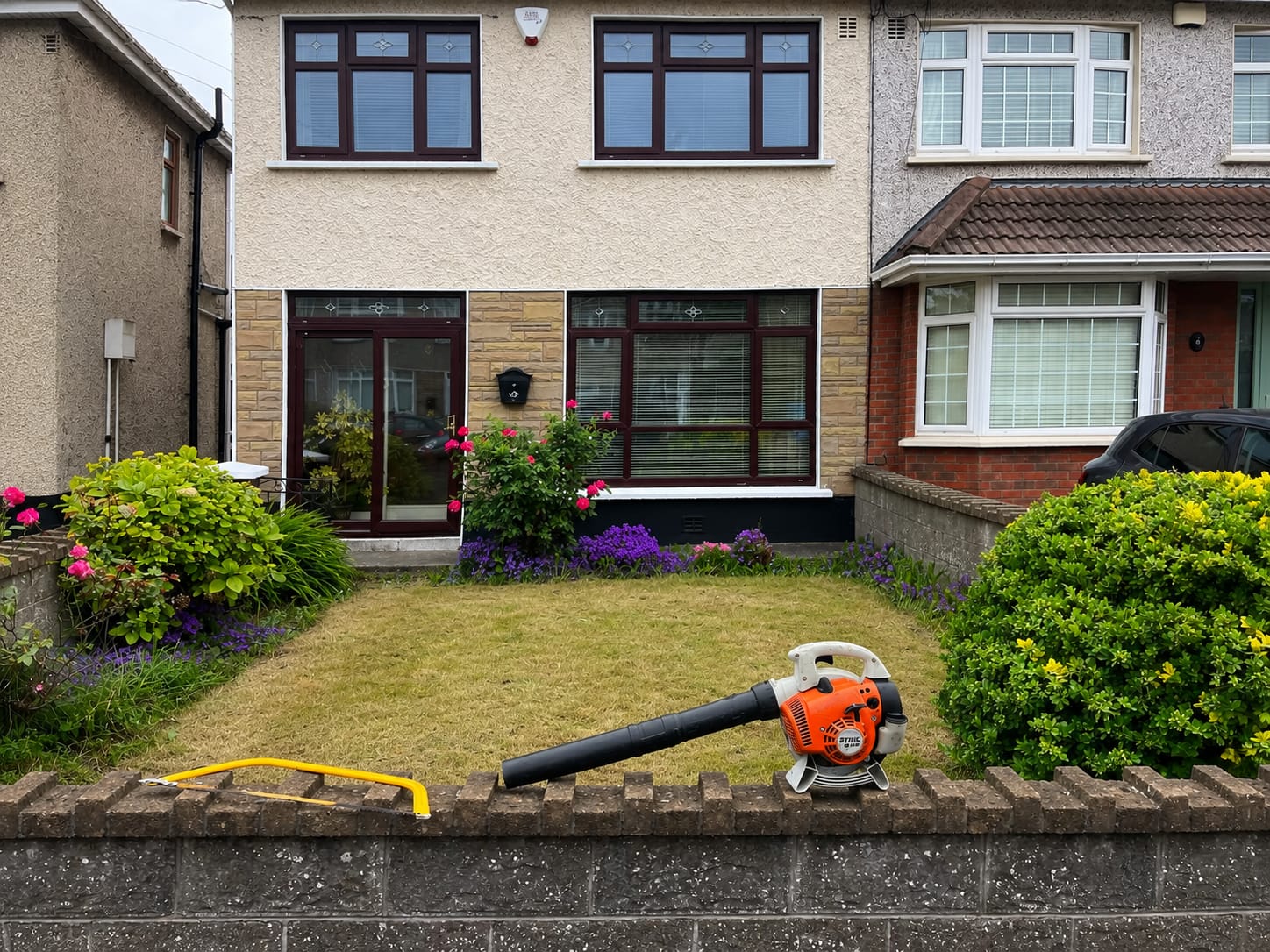
A couple in Rialto called us about a laurel hedge that had gone untouched for three years. It had swallowed a metre of their garden on every side, blocked the afternoon light from the kitchen, and pushed through the neighbour's fence. They assumed it would have to come out entirely.
It didn't. Over two visits - a structural reduction in late winter, then a shaping cut in summer - we brought it back to a dense, even hedge at two metres, with a proper batter so the base stays green. The garden got a metre of lawn back on each side, the kitchen got its light back, and the neighbour got their fence line back.
"We thought we'd lost the hedge and would be looking at a bare fence for years. Instead it looks better than when we bought the house."
Hedge Health Checklist: 7 Things to Inspect Before Your Next Trim
- Any active bird nests? (Check thoroughly, March–August)
- Brown or bare patches - and are they spreading?
- Is the base thinner than the top? (Time to restore the batter)
- Dead wood or debris packed inside the hedge?
- Is it encroaching on paths, fences, or the neighbour's side?
- Signs of pests or fungal disease on leaves and stems?
- Is the height still manageable safely from the ground?
Quick Summary
- Choose hedging suited to Dublin's wet, mild climate - laurel, griselinia, beech and hornbeam are reliable; yew rewards patience.
- Trim one to three times a year depending on species, keeping the top narrower than the base.
- Always check for nesting birds before cutting between March and August.
- Never cut conifers into bare wood, and never trim above shoulder height from a ladder.
- Overgrown, tall, diseased or shared hedges are jobs for a professional hedge cutting service - staged correctly, most "hopeless" hedges can be saved.
Book a Hedge Assessment with Primegardener.ie
Whether your hedge needs a routine shape-up, a serious reduction, or removal and replanting, our gardening service at Primegardener.ie handles hedge maintenance across Dublin - with every clipping taken away. WhatsApp us a photo of your hedge and we'll send you an honest price, usually the same day.
Send a photo, get a hedge quoteRelated reading: Tree Pruning in Dublin · Garden Maintenance in Dublin: Month-by-Month Guide · Eco-Friendly Gardening in Dublin
Frequently Asked Questions
How much does hedge trimming cost in Dublin?
It depends on the hedge's length, height, and how overgrown it is - a routine trim of a small front hedge costs far less than a two-visit reduction of a three-metre laurel. Primegardener.ie quotes upfront from photos, with all waste removal included in the price.
What's the best time of year to trim hedges?
For most Dublin hedges: a first shape-up in late spring and a main cut in late summer. Beech and hornbeam do best with an August cut. Hard structural reductions are best done in late winter while plants are dormant - and always check for nesting birds before any cut between March and August.
Can you help me replace old hedges with new hedging plants?
Yes - hedge removal and replanting is a service we offer across Dublin. We remove the old hedge and roots, improve the soil, and plant new hedging suited to your garden, light and maintenance preferences, from fast-growing laurel to native, wildlife-friendly mixes.
My hedge is bare at the bottom - can it be fixed?
Often, yes. Bare bases usually come from the hedge being wider at the top than the bottom, shading its own lower growth. Restoring the correct shape over a season or two lets light back in, and most species (laurel, beech, yew) will regrow. Conifers are the exception - bare conifer wood generally stays bare.
Do you take away all the hedge clippings?
Always. Every hedge job includes full removal of trimmings and green waste - you're left with a tidy hedge and a clean garden, nothing else.
How tall is too tall for a DIY trim?
If you can't reach the top with both feet on the ground (or on a stable platform, not a ladder), it's a professional job. Powered trimmers used overhead or from ladders cause serious injuries every year - it's genuinely not worth it.