
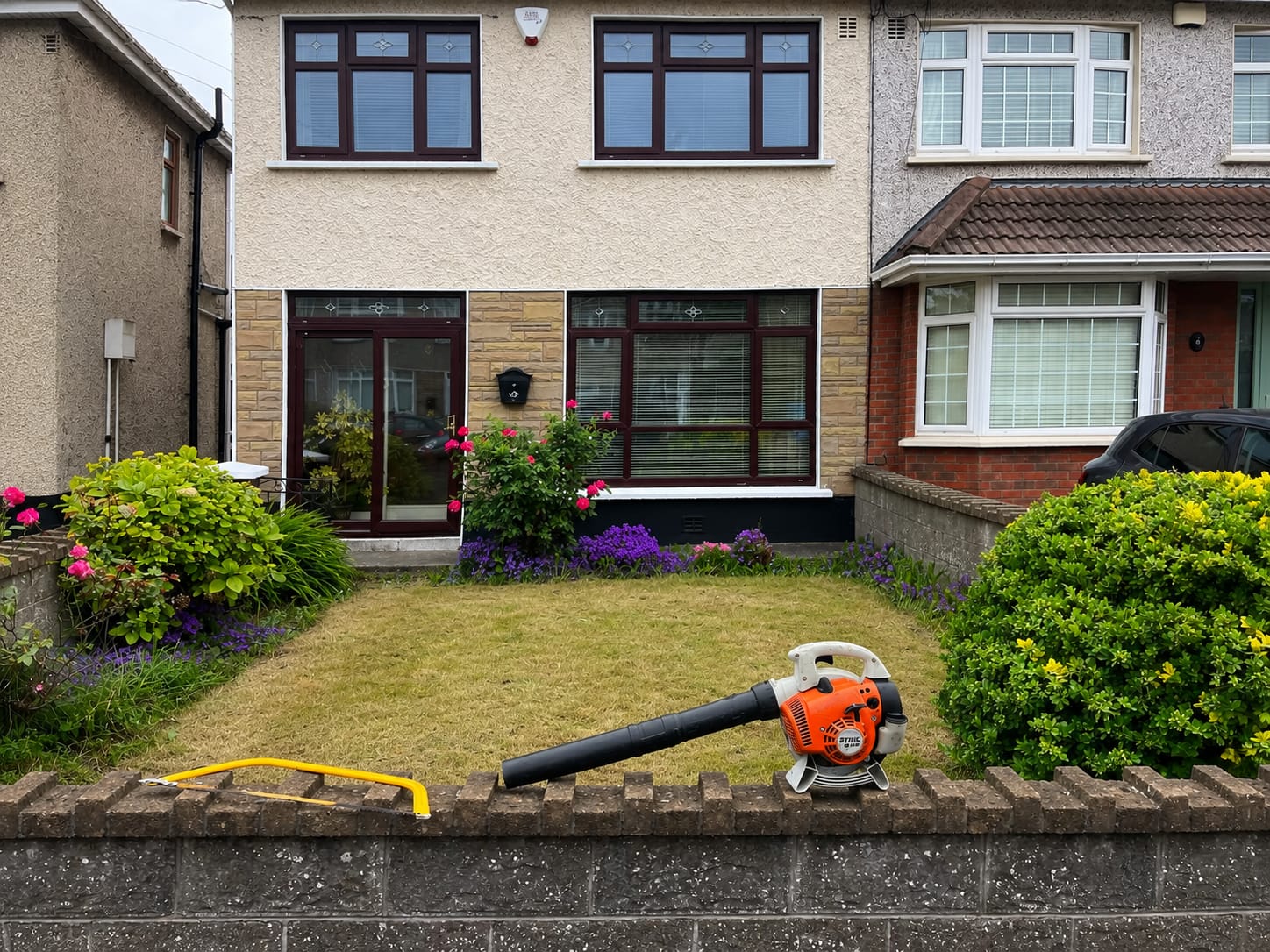
Something has genuinely changed in what Dublin homeowners ask us for. Five years ago the brief was almost always "make it tidy". Today, more often than not, there is a second sentence: "and we'd like it to be good for the bees", or "we have kids and a dog, so nothing harsh on the grass". Eco friendly gardening in Dublin has moved from a niche interest to the way a large share of our clients want their gardens cared for, and honestly, it has made the work better.
Here is the thing, though: sustainable gardening is full of well-meaning advice that does not survive contact with a real Dublin garden. Some organic methods work brilliantly. Some work slowly. A few barely work at all, and pretending otherwise helps nobody. What follows is the honest version: what we actually do at Primegardener.ie to keep gardens healthy with less chemistry and more life, what the trade-offs are, and where a middle path makes sense.
Why Eco-Friendly Gardening Matters More in a City
Dublin's gardens, added together, are one of the biggest green spaces in the county. For pollinators, birds and hedgehogs moving through the city, private gardens are the corridors that connect the parks. One pesticide-free, flower-rich garden matters little on its own; a street of them is genuine habitat. That is the quiet power of choices made at the garden-by-garden level, and it is why Ireland's All-Ireland Pollinator Plan puts so much emphasis on ordinary gardens.
Native Plants That Thrive in Dublin Gardens
Native and near-native species evolved for Irish rain, Irish soil and Irish insects, which makes them the lowest-maintenance choices you can plant:
- Hawthorn: the single best wildlife hedge plant. Blossom for pollinators in May, berries for birds in autumn, and security thorns all year. It features in our hedging guide for good reason.
- Rowan and crab apple: small native trees perfect for Dublin garden scale, feeding birds through winter.
- Foxglove, primrose and red campion: shade-tolerant natives that suit the darker corners most Dublin gardens have.
- Knapweed, ox-eye daisy and bird's-foot trefoil: the backbone of any mini wildflower patch, loved by bees and butterflies.
- Ivy: unfairly hated. Left to flower on a wall or old stump, it is the most important late-autumn nectar source Irish pollinators have.
A Pollinator-Friendly Garden Without Losing Tidiness
The biggest myth about pollinator friendly gardens is that they must look wild. They don't. The approach we use keeps the garden looking cared for while feeding wildlife:
- Frame wildness with neatness. A crisply mown edge or path around a longer flowering patch reads as intentional design, not neglect.
- Flowers from February to November. Pollinators starve at the edges of the season, not in June. Crocus and mahonia early, ivy and sedum late.
- Mow less, but deliberately. Even one patch of lawn cut every six weeks instead of weekly lets clover and trefoil flower, and it reduces your mowing workload too.
- Skip the insecticides. A garden with birds, hoverflies and ladybirds controls most pests on its own within a season or two.
Organic Weed Control: What Works and What Doesn't
This is where honesty matters most, because organic weed control is real but slower than the chemical route:
- Mulching works brilliantly. A thick layer of bark or compost on beds smothers weed seedlings before they start. It is the single most effective organic method we use.
- Hand weeding works when done little and often, before weeds seed. It fails against deep taproots and creeping roots unless the whole root comes out.
- Thermal (hot foam or flame) treatment works well on paths and driveways, though it needs repeating as regrowth appears.
- Dense planting works long-term. Bare soil grows weeds; full beds don't. Planting generously is weed control.
- Vinegar and salt recipes, mostly, do not work beyond scorching leaves, and salt damages soil for everything else. We don't use them.
The trade-off, plainly: organic methods cost more visits and more patience than a single chemical treatment. For stubborn infestations like bindweed, the pragmatic middle path is targeted spot treatment of the problem weed while the rest of the garden stays organic. We lay all the options out in our weed control guide, and the choice is always yours.
Low-Impact Maintenance Habits That Add Up
- Compost the green waste. Clippings, prunings and leaves become next year's soil improver instead of landfill. We compost what we can from every job.
- Collect rainwater. A water butt on one downpipe covers most of a small garden's summer watering.
- Mulch instead of watering. Mulched beds hold moisture through dry spells, cutting watering dramatically.
- Leave the leaves, selectively. Clear the lawn and paths, but leaf litter under hedges shelters the insects that feed next spring's birds.
- Peat-free everything. Ireland's bogs matter more as bogs. Peat-free composts are now excellent.
Case Study: The Terenure Garden That Went Greener
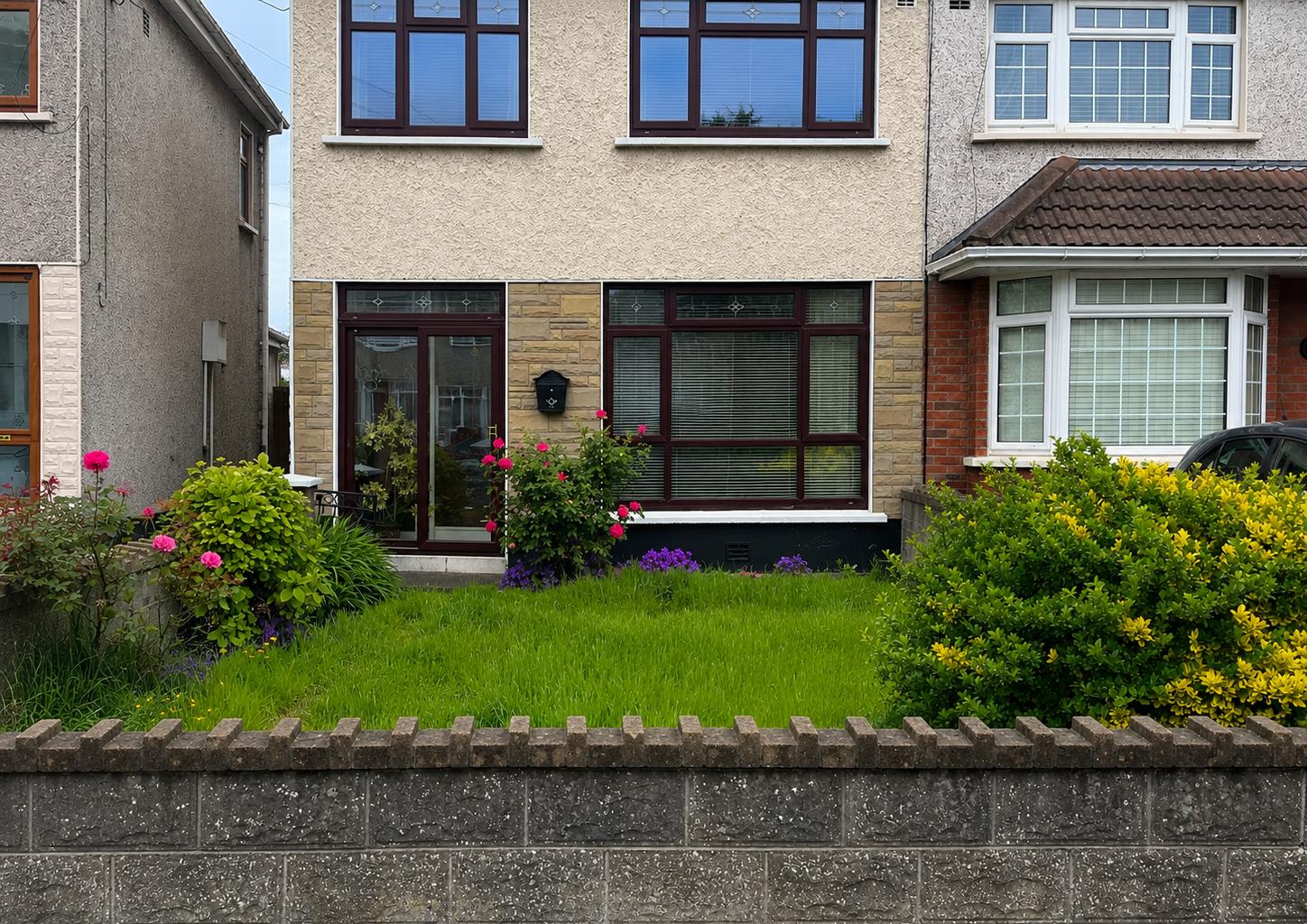
A retired couple in Terenure had maintained their garden the conventional way for decades: weekly close mowing, regular weedkiller along every edge, tight annual bedding. It looked neat and felt lifeless, and they had noticed the absence: no butterflies, few birds, silent summer evenings.
Over one season we shifted it, without ever letting it look untidy. The back third of the lawn moved to a six-week mowing cycle with mown paths through it. Bedding gave way to perennials chosen for a February-to-November flowering relay. The weedkiller routine became mulch and monthly hand weeding. A water butt went on the shed, and a hawthorn whip hedge replaced a dying stretch of fence.
"The garden is busier than it has been in twenty years. We counted six kinds of bee on the sedum in one afternoon."
Their maintenance costs went down, not up, because the garden now does more of the work itself.
Key Takeaways
- Dublin's private gardens are real habitat: garden-by-garden choices genuinely matter for pollinators and birds.
- Native plants are the lowest-maintenance plants, because they evolved for exactly these conditions.
- Mulch and dense planting are the workhorses of organic weed control; vinegar recipes are not.
- Eco-friendly gardens can look every bit as tidy as conventional ones when wildness is framed deliberately.
- Honest trade-off: organic methods trade speed for sustainability, and a targeted middle path often serves both.
Related reading: Weed Control in Dublin · Garden Maintenance in Dublin: Month-by-Month Guide · 8 Common Dublin Garden Problems
Want a Greener Garden, in Both Senses?
Our gardening service at Primegardener.ie offers eco-friendly maintenance as standard: composting, minimal chemicals, pollinator-aware planting and honest advice about what organic methods can and cannot do. WhatsApp us to talk through your garden.
Chat with us on WhatsAppFrequently Asked Questions
Can weed control really be eco-friendly?
Yes, with the right expectations. Mulching, hand weeding, thermal treatment and dense planting control most weeds organically, but they work more gradually than chemical treatments. For stubborn invaders we offer targeted spot treatment as a middle path, always applied safely.
Do you plant native species?
Yes, and we recommend them often because they thrive in Dublin conditions with minimal care. Native hedging like hawthorn, small native trees, and Irish wildflower patches are all services we provide.
Can you help me attract bees and butterflies?
Absolutely. The formula is flowers across the longest possible season, no insecticides, and a little tolerated wildness. We design and plant pollinator-friendly beds sized to any garden, from window boxes to full borders.
Is eco-friendly maintenance more expensive?
Usually about the same, sometimes less over time. Mulched, densely planted, sensibly mown gardens need fewer interventions than conventionally treated ones. Where an organic method genuinely needs more visits, we tell you upfront.
What do you do with the garden waste you remove?
We compost green waste where possible rather than sending it to landfill, and clean garden compost goes back to work in gardens as soil improver and mulch.