
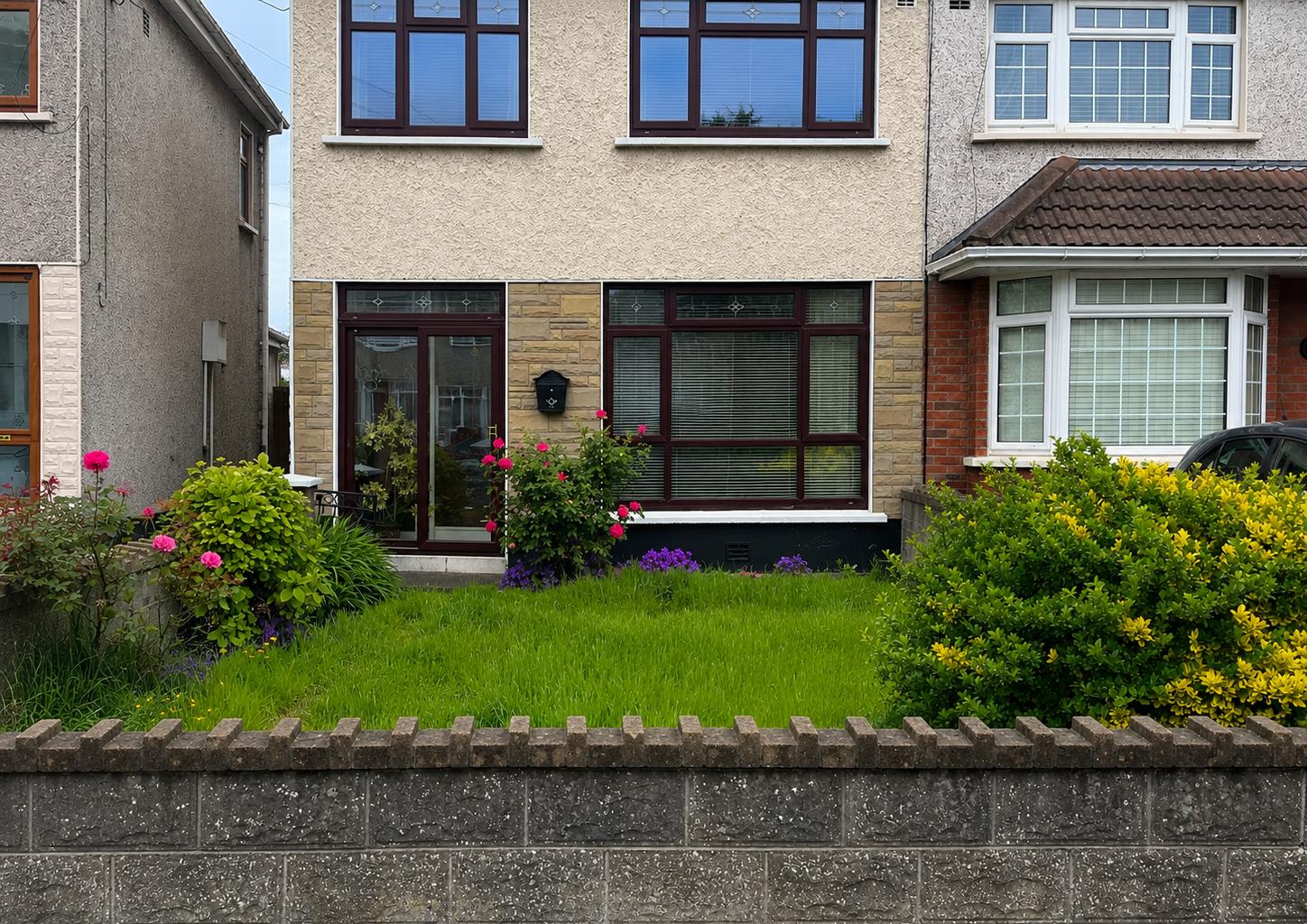
Gardening within sight of Dublin Bay is a different job to gardening two miles inland, and anyone who has watched a beautiful new hedge go brown on one side after a February gale already knows it. If you are searching for a gardener in Clontarf, Raheny, Malahide or anywhere along the north Dublin coast, the most useful thing to look for is not the lowest price. It is somebody who understands that your garden is dealing with salt-laden wind, lighter free-draining soil in patches, and exposure that would flatten a sheltered city-centre courtyard.
The good news is that coastal gardens, handled properly, are some of the best gardens in the county. The light is better, drainage is often kinder than Dublin's heavy clay, and the plant palette that thrives here (griselinia, escallonia, olearia, sea buckthorn) grows fast and looks lush. The trick is working with those conditions instead of fighting them.
This guide covers what makes north Dublin coastal gardens behave the way they do, the planting and maintenance choices that actually last here, and what to expect from a local gardener working in these areas.
Why Clontarf and Coastal North Dublin Gardens Are Different
- Salt wind is the main event. Onshore wind carries salt spray well inland, and it scorches soft new growth on the exposed side of plants. This is why hedges near the seafront often look perfect from the house and battered from the road.
- Exposure, not cold, does the damage. Coastal north Dublin is mild, sometimes frost-free for whole winters, but constant wind dries plants out and physically shreds large leaves.
- Soil varies street by street. Closer to the coast you often get lighter, sandier, faster-draining ground, which is great for drainage and poor at holding nutrients and water. Move inland toward Raheny, Killester and Artane and the familiar Dublin clay returns.
- Two garden types dominate. Mature front gardens on the older roads around Clontarf Road and Vernon Avenue, with established hedges and lawns that need real upkeep, and smaller, tighter gardens in the newer estates around Malahide, Portmarnock and Swords.
Planting That Actually Survives on the North Dublin Coast
Choosing wind and salt tolerant plants is the single biggest saving a coastal garden owner can make, because it stops the annual cycle of replacing casualties:
- Griselinia littoralis: the definitive north Dublin coastal hedge. Bright apple-green, fast, and genuinely salt tolerant. It appears in our hedge trimming guide for exactly this reason.
- Escallonia and olearia: tough flowering shrubs that shrug off wind and feed pollinators.
- Hebe, sea thrift, red valerian and lavender: reliable performers in free-draining coastal beds.
- Avoid, or shelter carefully: large soft-leaved plants, delicate Japanese maples, and beech hedging on genuinely exposed sites, where wind scorch is close to guaranteed.
Where a garden is very exposed, the real fix is a shelter layer first: a tough outer hedge that takes the beating so the plants behind it can be whatever you like. That is a design decision, and it is covered in our garden landscaping guide.
What Coastal Garden Maintenance Should Cover
- Wind-aware hedge timing. Hard cuts before the autumn gales leave fresh, vulnerable growth exposed at the worst time. Coastal hedges are better shaped in late spring and early summer so growth hardens before winter.
- Lawn care tuned to lighter soil. Free-draining coastal lawns dry out faster and lose nutrients quicker, so feeding matters more and watering matters in dry spells. The seasonal routine is in our lawn care guide.
- Salt and grit checks in spring. Winter road salt near the coast road accumulates in front-garden beds and lawn edges. A spring flush and feed helps recovery.
- Structural checks after storms. Exposed sites lose branches and fence panels. A quick post-storm walk-through catches the problems while they are small; see our tree pruning guide for what to look for.
- Regular visits rather than rescues. Coastal growth is fast in the mild air. Fortnightly or monthly upkeep keeps gardens here in far better shape than occasional blitzes, as set out in our month-by-month maintenance guide.
Areas We Cover Across North Dublin
Alongside our established south and west Dublin rounds, we work with clients across the north side and the coast: Clontarf, Killester, Raheny, Artane, Marino, Fairview, Dollymount, Sutton, Baldoyle, Portmarnock, Malahide and Swords. If you are just outside that list, ask anyway; if we cannot help we will say so straight away rather than waste your time.
The Most Common Hedge Mistake on the Clontarf Coast

Here is a pattern worth knowing about before you spend money on it. A homeowner on one of the roads running down toward the seafront plants a beech hedge. By the second winter the seaward face has burned brown. They assume it was a bad batch, replace it with more beech, and the same thing happens again. After two attempts the conclusion is usually that "nothing grows here".
Plenty grows there. The problem is species selection, not the soil or bad luck. The fix is to plant the exposed run in something genuinely salt tolerant such as griselinia, keep beech for a sheltered return where it performs beautifully, work compost into light sandy ground so new plants can hold moisture, and move trimming to early summer so growth hardens off before the autumn gales arrive.
If you have replaced the same stretch of hedge more than once, get the species checked before you buy a third batch of plants. It is a five minute conversation that saves a few hundred euro.
Coastal Garden Checklist: 6 Things Worth Doing This Season
- Identify your most exposed boundary and check what is planted there
- Replace repeat casualties with salt-tolerant species rather than replanting the same losses
- Move hard hedge cuts to late spring or early summer, not autumn
- Feed lawns and beds more often on light, free-draining coastal soil
- Flush and feed front-garden beds near roads after a salted winter
- Walk the garden after every big storm and deal with damage while it is small
Key Takeaways
- Salt wind and exposure, not cold, are what limit coastal north Dublin gardens.
- Soil changes fast here: lighter and free-draining near the coast, clay again inland.
- Griselinia, escallonia, olearia and hebe thrive; beech and soft-leaved plants suffer on exposed faces.
- Shelter planting first, then whatever you actually want behind it.
- Trim timing and more frequent feeding matter more here than anywhere else in Dublin.
More north Dublin area guides: Gardener in Swords · Gardener in Malahide and Portmarnock · Gardener in Drumcondra, Glasnevin and Phibsborough
Related reading: Gardener Near Me in Dublin · Hedge Trimming in Dublin · Lawn Mowing Service in Dublin
Looking for a Gardener in Clontarf or North Dublin?
WhatsApp Primegardener.ie a couple of photos of your garden and your area, and we will come back the same day with an honest price. Regular maintenance, hedges, lawns and tidy-ups across Clontarf, Raheny, Malahide, Swords and the surrounding coast.
Get a local quote on WhatsAppFrequently Asked Questions
Do you cover Clontarf and north Dublin?
Yes, we work across Clontarf, Killester, Raheny, Artane, Marino, Fairview, Sutton, Portmarnock, Malahide and Swords, as well as our south and west Dublin areas. Message us with your address and we will confirm immediately.
What is the best hedge for a coastal Dublin garden?
Griselinia is the standout for salt-exposed north Dublin sites: fast, dense, bright green and genuinely wind tolerant. Escallonia and olearia are strong alternatives. Beech and hornbeam are better kept for sheltered boundaries away from direct sea wind.
Why do my plants go brown on one side only?
That is classic salt-wind scorch, and it always hits the exposed face. The fix is either a tougher species on that side or a shelter hedge in front of the planting you want to keep.
Does coastal soil need different treatment?
Often, yes. Lighter, sandier coastal ground drains well but loses nutrients and moisture quickly, so it benefits from more regular feeding and generous compost or mulch to hold water.
How much does a gardener cost in Clontarf?
The same way it works everywhere in Dublin: it depends on garden size, condition and the work needed. Send photos on WhatsApp for a fixed price, and see our Dublin gardener cost guide for honest ballpark figures first.